The Sapienza Dental Paradigm
The Dentistry and Dental Prosthodontics program at Sapienza University of Rome is the quintessential Roman clinical experience. As the oldest university in Rome, its dental school is a pillar of Western oral surgery and prosthetic history.
The curriculum follows the Clinical Immersive bridge. This is codified through **Integrated Dental Skills** modules where students are embedded in the massive George Eastman Hospital complex from Year 3.
A core feature is the **Oral Surgery & AI Integration**. Sapienza leads Europe in the study of robotic surgery, digital dentistry, and precision prosthetics. This ensures that students master clinical logic through direct contact with a vast and diverse patient population and a cutting-edge technical infrastructure.
The "Eastman" Advantage
Rome is the dental capital of Italy. Its teaching hospital, **George Eastman Dental Hospital**, is a national reference for surgical innovation and complex oral medicine. Students benefit from an unprecedented volume of complex clinical cases and a supportive faculty-to-student ratio.
Integrated Learning Pillars
- Molecular FoundationsA massive 12+ CFU block in Year 1, merging Cell Biology with clinical Metabolism.
- Systemic IntegrationIntegration of Physiology and Anatomy. Structure and function are taught alongside mechanical principles.
- Oral Surgery HubEarly focus on the mechanics and software of minimally invasive surgical systems.
- Digital Dentistry AILeading Europe in the development of neural networks for dental imaging interpretation.
- Hospital Duty EarlyMandatory clerkships in the Eastman hub starting from Semester 4.
Institutional Profile & Comprehensive Info
| Official Name | Sapienza Università di Roma |
| International Name | University of Rome Sapienza |
| Institution Type | Public Research University (Mur Jurisdiction) |
| Historical Status | Founded 1303; One of the oldest in the world |
| English Dental Curriculum | Dentistry and Dental Prosthodontics in English |
| Location Strategy | George Eastman Hub (Rome Center) - Integrated Campus |
| Degree Level | 6-Year Single-Cycle Master's (Laurea Magistrale) |
| Total ECTS / CFU | 360 Credits (60 CFU / Year) |
| Student Intake (2025) | EU: 15 seats | Non-EU: 5 seats |
| Tuition Structure | Progressive ISEE-U: €156 to €3,000 approx. |
| Exam Culture | Rigorous Roman Oral tradition with written qualifiers |
| Clinical Language | B2 Italian mandatory by Year 3 for Ward Duty |
| Major Clinical Hub | George Eastman Hospital, Umberto I Hub |
| Research Jewel | Department of Oral and Maxillo-Facial Sciences |
| Digital Ecosystem | Infostud Portal / MySapienza Student App |
| Official Website | uniroma1.it/en/dentistry |
The 360 CFU Architecture: Year-by-Year Analysis
YEAR 1: MOLECULAR FOUNDATIONS
Fundamental Sciences & Dental Intro
The first year focuses on the molecular and chemical logic of the human body. Students spend their time at the Roman center labs. Integration starts with the connection between Medical Physics and initial semiotics.
Cellular architecture and genomic transmission
Molecular bonds and metabolic precursors
Physical principles of diagnostic imaging
General and Locomotor system anatomy
Data analysis for evidence-based medicine
Ethics and the Roman medical tradition
YEAR 2: INTEGRATED PHYSIOLOGY
Function & Pathogenesis
Year 2 shifts from the molecule to the organ. The 'Integrated Physiology' block is legendary for its difficulty, covering the mechanics of all major systems. Students also learn Microbiology with a clinical focus.
Integrated Cardio, Respiratory, and Renal functional blocks
Host-pathogen interaction at the molecular level
Advanced enzyme kinetics and metabolic pathways
Internal Organs (Splanchnology) and Neuroanatomy
B2 preparation for hospital rotations
YEAR 3: CLINICAL INDUCTION
From Laboratory to the Wards
This is the bridge year. Students move into full-time ward presence at the George Eastman. They learn semiotics—how to physically examine a patient and interpret signs. Rotations begin in Internal Medicine.
Semiotics and foundation of systemic medicine
The transition from healthy function to disease
Pharmacokinetics and initial drug classes
Physics and chemistry of restorative materials
Interpreting blood work and biopsies
YEAR 4: SYSTEMIC MEDICINE I & SURGERY
Specialized Clinical Modules
Year 4 dives into high-complexity systemic medicine. Rotations in Cardiology and Neurology are intense. Students are embedded in specialized wards.
Fundamentals of surgical interventions in the mouth
Mechanics and biology of tooth movement
Design and implementation of dental replacements
Cancer biology and clinical management
Advanced medical imaging interpretation
YEAR 5: SYSTEMIC MEDICINE II & ADV SURGERY
Surgical Arts & Maternal-Child Health
Focus on surgical interventions and the specialized care of women and children. Students spend significant time in the operating theaters.
Advanced surgical management of facial trauma
Children's dental health and development
Supportive structures of the teeth and health
Epidemiology and Health Policy
Clinical therapeutics and toxicology
YEAR 6: FINAL MD & LICENSURE
TPV, Emergency & Thesis Defense
The final year is dedicate to professionalization. Under the 'Laurea Abilitante' model, students complete 15 CFU of TPV, enabling them to practice immediately after graduation. The year ends with the defense of a research thesis.
Critical care and ER management
Mandatory traineeships for licensure
Specialized care for the elderly
Original research project defense
The Academic Integrity & Progression Architecture
Digital Attendance
Sapienza utilizes a digital check-in system via the 'Infostud' portal. Attendance is a binary requirement for exam eligibility.
Grade Rejection Right
A fundamental right in Rome. Students can choose to reject any grade to maintain a high GPA.
ECTS Recognition
Sapienza provides a full Diploma Supplement, making your 30-point grades readable globally via the ECTS scale.
The Roman Healthcare Nexus: Research & Clinical Synergies
Research for DDSs
In Rome, research is not an elective—it's the foundation. Students are integrated into the **Department of Oral and Maxillo-Facial Sciences** ecosystem. This facility is a national nerve center for advanced dental biotech and genomic research.
Molecular Dental
Focus on bone regeneration and advanced restorative materials.
Robotic Surgery
Direct exposure to Da Vinci surgical systems at the Policlinico.
Internal Internships
"Internati" (Internal Clerkships) are available from Year 3. Sapienza students often publish original clinical research before graduation.

George Eastman: Where History Meets Dental Innovation
The Dental Legacy: 1303 to 2025
The Sapienza University of Rome was founded in 1303, making it one of the oldest universities in the world. It is a pillar of European academic authority, known for its commitment to scientific inquiry and clinical excellence.
The Dental School achieved global immortality in the 20th century through its pioneering work in oral surgery and prosthetic innovation. The historic George Eastman Hospital in the heart of the city remains one of the largest and most complex dental environments in Europe.
In 2020, Sapienza launched its English Dental Track. It was a visionary statement: an English-taught curriculum designed to integrate the city's ancient medical tradition with the global dental networks of the 21st century.
Today, Sapienza remains the powerhouse of Italian dental science. It attracts elite students from all over the world, fostering a diverse community where the legacy of Baroque learning and the Roman spirit continues to inspire the dentists of tomorrow.

SAPIENZA DENT Chronology
- 1303 Statutory Foundation
- 1935 George Eastman Opening
- 1965 Policlinico Expansion
- 2020 English Track Launch
- 2023 New Oral AI Hub Opening
- 2025 722nd Anniversary Celebration
Educational Philosophy: The Roman Way
Integrated Clinical Track
Sapienza's Dental track is one of the most clinical-intensive programs in Italy. We emphasize a System-Based Approach where basic sciences and clinical practice are taught together from Year 1.
Integrated Modules
Organs are studied as integrated biological and mechanical systems.
High-Volume Duty
Hands-on experience with a vast diversity of clinical cases at the Eastman.
Problem-Based Learning
Critical thinking developed through collaborative case study analysis.
Simulation Excellence
Use of high-fidelity mannequins and AR for surgical skills training.
Research Excellence
Rome is the scientific heart of Italian dental medicine. Students have access to World-Class Hubs and are encouraged to join research projects as early as Year 3.
Molecular Dental
Genomics lab focuses on bone disease mechanisms and advanced biotech.
Infectious Hub
Deep collaboration with the regional virology research network.
Oncology Frontier
Integration with the specialized cancer research units at Eastman.
Robotic Oral
Sapienza hosts Italy's most advanced center for robotic oral surgery.
The Clinical Network: Roman Dental Giants
Sapienza provides an unparalleled clinical experience through its Multi-Site Network. You will rotate through the most specialized centers in Rome.
George Eastman Hospital
The clinical heart of the city. A Tier-1 research hospital known for oral surgery and cardiac excellence.
Policlinico Umberto I
The primary hub for internal medicine and infectious disease research in the city center.
Ospedale Sant'Andrea
A historic university hospital focusing on specialized oncology and surgical pathology.
IFO - Regina Elena
A specialized IRCCS center for oncology research and experimental clinical trials in Rome.
Ospedale S. Filippo Neri
A partner hospital focusing on emergency medicine and surgical trauma excellence.
Maxillo Hub (Eastman)
A global excellence center for maxillo-facial management and internal research.
Strategic Admission Metrics: 10-Year Analysis
Admission to Sapienza Dental is determined by the IMAT (International Medical Admissions Test). UNIROMA1 consistently requires competitive non-EU scores, reflecting its status as a premier destination.
Historical Cut-Off Thresholds (2016-2025)
| Year | EU Quota (Min) | Non-EU (Min) | Seats (E/NE) |
|---|---|---|---|
| 2025 | 53.4 | 59.1 | 15 / 5 |
| 2024 | 52.8 | 56.5 | 15 / 5 |
| 2023 | 34.2 | 44.4 | 15 / 5 |
| 2022 | 32.5 | 38.2 | 10 / 4 |
| 2021 | 31.2 | 35.3 | 10 / 4 |
| 2020 | 33.5 | 38.1 | 10 / 4 |
| 2019 | 35.2 | 32.3 | 8 / 3 |
| 2018 | 36.4 | 28.8 | 8 / 3 |
| 2017 | 37.1 | – | 5 / 2 |
| 2016 | 39.2 | 20.0 | 5 / 2 |
The Dental Journey: 6-Year Roadmap
Foundations & Molecular Med
Intensive biology, chemistry, and early clinical methodology. Classes held in the historic heart of the University City.
Systems & Pathogenesis
Mastering the physiological and biochemical systems of the body. Focus on the integration of theory and dental path.
Clinical Transition
Moving into the George Eastman Hospital. Learning semiotics and starting systemic medicine. Italian language becomes critical.
Dental Specialization I
In-depth study of oral surgery, orthodontics, and restorative dentistry. Rotations across the hospital network.
Advanced Surgery & Maternal-Child
Focus on maxillo-facial interventions and pediatric care. Increasing independence in ward activities.
Thesis & TPV Internship
Practical internships (TPV) and completion of the research thesis. Final state licensure preparation.
The Roman Lifestyle, Housing & Culture
Rome is Italy's only true Eternal Metropolis. It is the capital of history, global governance, and student energy. For a medical student, it means living in a city that is a living museum, with world-class clinical infrastructure and a hyper-connected social scene.
From the historic elegance of the Colosseum to the student-filled bars of San Lorenzo, Rome offers an unparalleled urban experience. You'll find yourself studying in historic libraries one day and enjoying a carbonara dinner the next.
As an International track student, your geography is unique. While classes are at the Eastman hub, the surrounding areas provide a wide range of living environments. Strategic housing choices are key to balancing commute times and quality of life.
Neighborhood Guide
- Piazza Fiume
The clinical heart. Right next to the Eastman and labs. Elegant and vibrant. Shared Room: €650-€850.
- San Lorenzo
The student heart. Near the city center and nightlife. Shared Room: €500-€700.
- Nomentana
An elegant hub close to the center. High quality of life, slightly more expensive. Room: €600-€800.
Climate & Urban Vigor
Rome features a Mediterranean Masterpiece climate. Expect four distinct seasons: mild winters, blooming springs, hot summers, and colorful autumns.
The city is the gateway to the Tyrrhenian Coast and the hills. On weekends, you can be sunbathing in Ostia or exploring medieval villages within a short drive.

The Economics of Roman Medicine
Metropolitan Premium
Rome is Italy's Most Efficient Medical Capital. While tuition is public, living costs are high. Students must plan their budgets carefully for the 6-year journey.
Rome Survival Budget
Estimated costs for the 2024/2025 Academic Year
| Living Expense Item | Cost Range (Monthly) |
|---|---|
| Single Room in Shared Apartment | €600 – €800 |
| Utilities & High-Speed Internet | €110 – €160 |
| Grocery Shopping (Local Markets & PAM) | €250 – €350 |
| Dinner & Aperitivo | €25 – €45 |
| Rome Metro Pass (Student) | €35 |
| Gym / Yoga Membership | €40 – €80 |
| History & Coast Trips | €40 – €100 |
| Coffee (Espresso) on the go | €1.20 |
The International Perspective: Strategic Scorecard
Key Advantages
- Elite Dental TraditionSapienza is a globally recognized mark of dental clinical authority.
- The Best Clinical ExposureHigh patient volume ensures you see 'textbook' cases every day.
- Roman Cultural HubUnmatched access to history, museums, and Western cultural heritage.
- Vibrant Student EnergyA global city that fosters a unique international student bond.
- Professional HeritageHome to some of the oldest dental research hubs in Europe.
Strategic Challenges
- Extreme IMAT scoresThe highest entry bar for dentistry in the country; no room for error.
- Administrative HierarchyAncient bureaucratic structures can sometimes be slow to move.
- High Housing CostsCompetition for rooms is extreme; start looking 6 months early.
- Public transportWhile the metro is good, buses can be crowded during rush hour.
- Intense Oral TraditionSapienza maintains a very high standard for oral clinical exams.
International Administrative Survival Kit
Permesso di Soggiorno
Essential for Non-EU. The Rome Questura handles thousands of students; expect delays.
- 1Submit kit at Poste Italiane
- 2Keep yellow receipt as legal ID
- 3Attend fingerprinting at designated office
- 4Pick up card in 6-8 months
Codice Fiscale
Tax ID. Essential for housing, SIM cards, and bank accounts.
- 1Visit Agenzia delle Entrate Rome
- 2Bring passport and visa copy
- 3Submit form immediately
- 4Receive paper ID
Infostud Flash Card
Your student ID and access to the regional transport system.
- 1Complete enrollment
- 2Upload photo on portal
- 3Receive card at the medical desk
- 4Activate for Mensa access
Related English-Taught Programs
Beyond Dentistry, Sapienza is a global leader in classics and innovation. Discover innovative English-taught degrees accessible via the CEnT-S admission test.
BSc Classics
Based in the historic heart of Rome, this program focuses on Latin and Greek literature and Roman archaeology. Consistently ranked #1 in the world.
BSc Global Humanities
A quantitative approach to international diplomacy and Mediterranean policy. Designed for future world leaders in the heart of the capital.
SAPIENZA Extensive Intelligence (FAQ)
Is the Dental track in English?
A:Yes, 100% of lectures and exams are in English.
Clinicals location?
A:Primarily George Eastman Hospital in Rome center.
Italian mandatory?
A:Not for Y1-2. Mandatory B2 by Year 3 for patient safety and clinicals.
Rome safety?
A:Safe with standard urban caution. Avoid empty streets at night near Termini.
Degree Recognition?
A:Fully recognized in EU, USA, UK, and worldwide (WFME accredited).
Part-time work?
A:Very difficult due to the workload, but possible in student-tutor roles.
Mensa (Cafeteria)?
A:Multiple sites across the campus; full meals are €3-€5 with ID.
Library access?
A:Historic libraries in the center are open till late during exams.
Scholarships?
A:DiSCo Lazio provide merit/need-based grants and housing for students.
Graduation rate?
A:High; Sapienza students benefit from top-tier research resources.
Transfer to Med track?
A:Extremely rare; requires passing the IMAT again and vacancy availability.
Research for students?
A:Highly encouraged; many labs offer 'Internal Internships' for credits.
International community?
A:Vibrant and growing fast in the island hub, with students from over 30 nations.
Exam 'Appelli'?
A:Usually 6-7 opportunities per year to take each exam.
Grading Scale?
A:0-30 scale; 18 is minimum pass, 30L is maximum honor.
Strategic Location & Medical Nexus
Rome Dental District
George Eastman Clinical Epicenter
Connected to the Future of Western Dentistry
Official Statement & Compliance
The Dentistry and Dental Prosthodontics program of Sapienza University is fully compliant with MUR regulations and EU directives for dental education. All information provided in this guide is verified for the 2026/2027 academic cycle. Students are reminded that the IMAT entry score is the absolute determinant for admission. Sapienza remains committed to fostering a clinical-intensive environment for the next generation of global dentists.


Italian Private Medical Schools (English MD Programs)
Comprehensive admission guides, quotas, entrance test syllabi, tuition fees, and deposit schedules for San Raffaele, Humanitas MEDTEC, Cattolica Rome/Bolzano, Campus Bio-Medico, UniCamillus, Link Campus, and UniNeuromed.
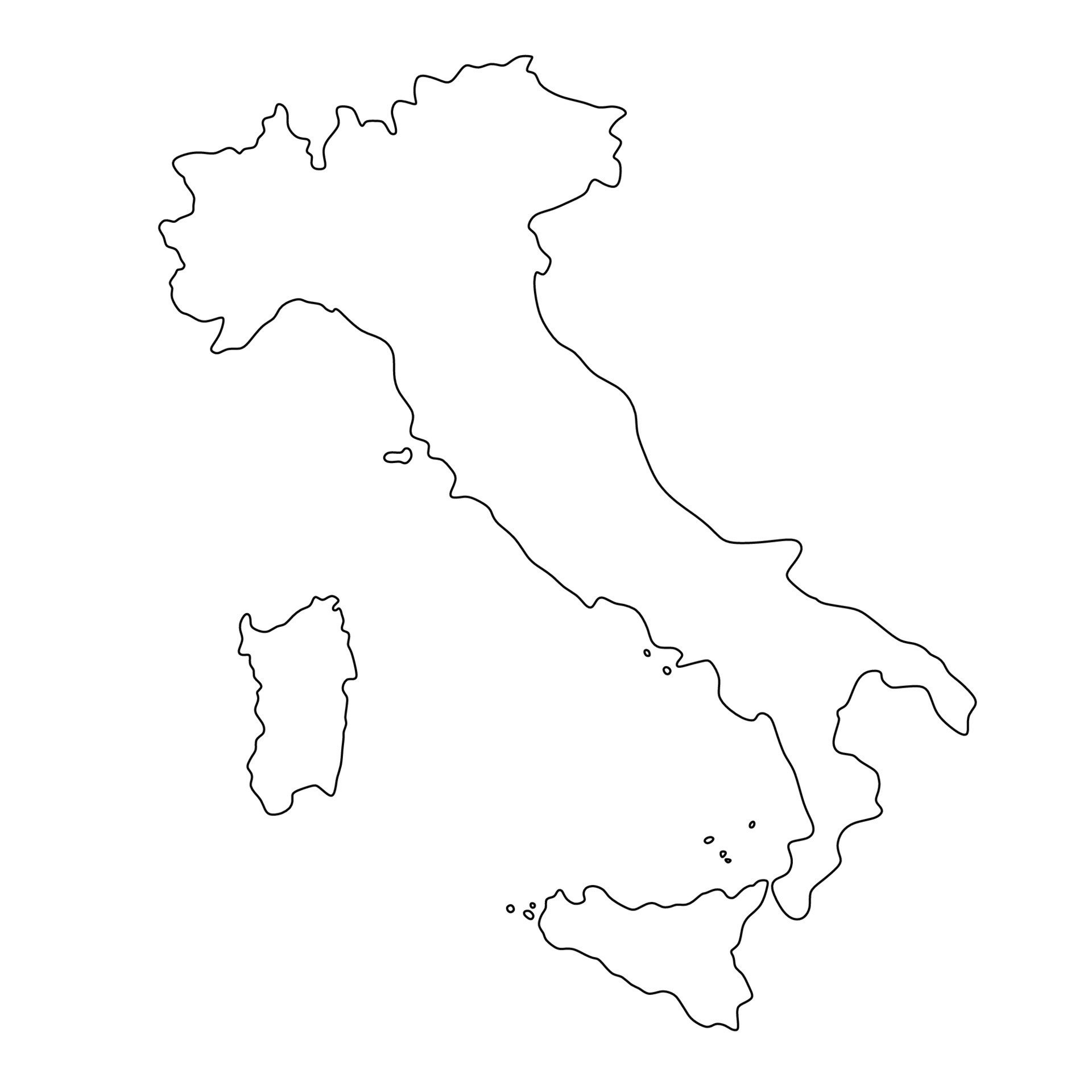
Interactive Campus Map
Explore medical excellence across the Italian peninsula.